


EEVEE - Track charging costs
3.840.00 Reviews
App Specs
- Version
- 3.7.2.2
- Updated On
- License
- Free
- Downloads
- 100,000+
- Developer
- EEVEE BV
- Categories
- Auto & Vehicles
- Platform
- Android
Screenshots
 Analysis by AppCompare
I find a charging-cost tracker most useful when it turns a vague monthly expense into something I can check and act on. EEVEE - Track charging costs is aimed at electric-car owners who want to understand that part of their driving, rather than rely on memory or a rough estimate. Its appeal depends on whether your vehicle and charging routine fit the way the app collects information, so I’d treat the first few sessions as a chance to check that the numbers match your real-world experience.
Why EEVEE Stands Out
The app is made by EEVEE BV and sits in the auto and vehicle category. It is free to install, with in-app purchases listed from $7.99 to $119.99 per item. Its audience is broad, with an Everyone age rating, and it has passed 100,000 installs. A 3.8 average from around 2,300 ratings suggests a mixed but substantial reception; I would read that as a reason to judge its fit for your particular car and tariff, not as a promise that every setup will work identically. The current version is 3.7.2.2, and it requires Android 8.0 or later.
Getting Started with EEVEE
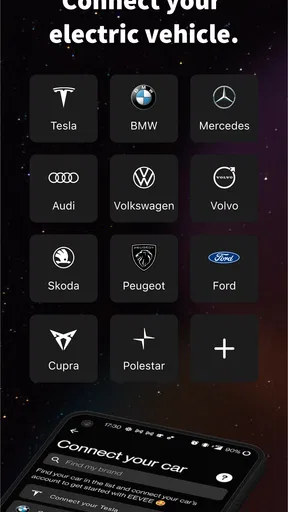
Setting up was a breeze. After downloading the app, I was prompted to input my vehicle details. The app supports a wide range of electric vehicles, so chances are your car is covered. Once your vehicle is selected, it automatically starts tracking your charging sessions. It’s almost like having a personal assistant dedicated to managing your EV costs.
One feature that I really appreciated was the automatic sync with my car’s data. This means I didn’t have to manually input every little detail. The app connects with the vehicle’s API to gather information, which is super convenient for someone like me who prefers automation over manual entry.
Tracking Costs Like a Pro
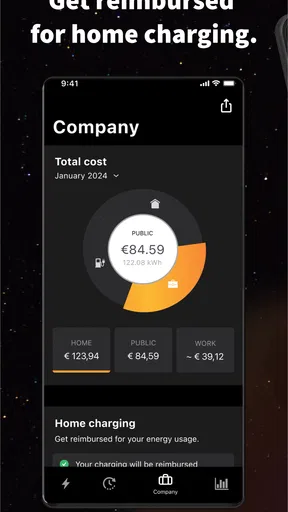
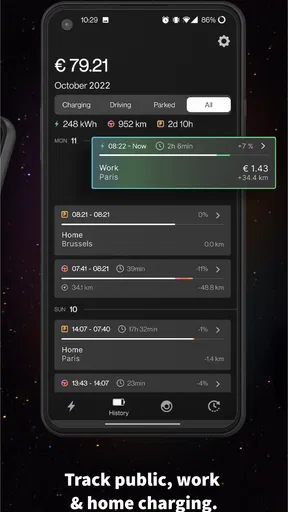
Now, onto the meat of the app—tracking costs. EEVEE breaks down your charging sessions into easy-to-understand data. It shows you how much each session costs, and even provides insights into how much you’re saving compared to traditional fuel costs. I found this incredibly helpful for budgeting and planning my expenses.
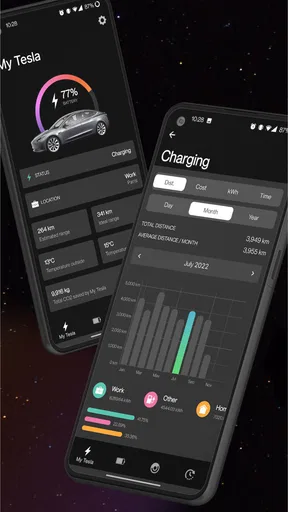
The app updates in real-time, which means you always have the latest data at your fingertips. I especially liked the detailed graphs that display my charging history and costs over time. It’s like having a financial analyst for my car!
Customization and Insights
Besides tracking costs, EEVEE offers a range of customization options. You can set your electricity tariffs, including peak and off-peak rates, which allows the app to calculate your expenses more accurately. This was a feature I didn't know I needed until I started using it.
Worth Reading Before You Choose

EA SPORTS FC Mobile 26 Is a Bigger Football Game, but It Takes Time

Flipboard Shows What News Apps Must Do Beyond the Feed

Switching to Android Auto Means Rethinking Your Driving Routine

Google Calendar Makes a Crowded Week Easier to Manage

Ludo King Makes the Most of the Minutes Between Plans

Baby Panda World Brings Quick Play to Modern Phones, but Its Game Library Feels Busy
Moreover, the app provides insights into your charging habits. It gives you suggestions on how to optimize your charging times to save even more money. I found this particularly insightful as it encouraged me to tweak my charging habits for better efficiency.
Smooth User Experience
The overall user experience with EEVEE is smooth and polished. The interface is clean, with a modern design that makes navigating the app a pleasant experience. Even if you’re not tech-savvy, you’ll find the app easy to navigate, thanks to its straightforward layout.
Notifications are another handy feature. The app sends alerts about your charging status and cost updates, ensuring you’re always in the loop. It’s like having a constant reminder about your vehicle’s energy consumption, which I found surprisingly reassuring.
Making the Numbers Useful Day to Day
The best routine is a repeatable one: connect the car, check that a completed session appears, then compare its cost with the amount you expected to pay. I would do this after both a home charge and a public charge, if both are part of your week. That simple cross-check helps reveal whether the tariff settings reflect the electricity you actually paid for, instead of treating every session as if it had the same price.
A realistic example is a weekday evening when I plug in after work, then charge again at a public station during a weekend trip. The app can help me keep those events visible as separate parts of my charging history, while my own note or bill remains the reference for the amount charged by the provider. I wouldn’t assume that a cost estimate is a receipt: use it to spot patterns and plan, and use the bill to settle questions about what you were charged.
Settings That Deserve a Second Look
Tariff setup is where a little care pays off. If your home electricity price changes by time of day, entering peak and off-peak rates gives the cost view a better basis. Before drawing conclusions from a month of graphs, I’d check that the rates still match the plan you are on and that a public charging session is not being mentally compared with your home rate. This is especially useful when you’re deciding whether shifting a regular home charge to a cheaper period is worthwhile.
There is a trade-off here: more accurate settings require more attention from you. If you have a fixed rate, the setup should be simpler; if your bill includes several components or a changing tariff, a single figure may not capture every detail. I’d avoid changing settings just to make a graph look tidy. Keep a brief note of the tariff assumptions you entered, then compare the app’s totals with an actual bill periodically. That makes the history more meaningful without turning routine tracking into bookkeeping.
Faster Habits Without Extra Work
Once the initial connection and tariff are in place, I’d keep the workflow deliberately small. Check the session list at a convenient moment rather than opening the app every time the car is plugged in. If a session is missing or its cost looks surprising, investigate then; otherwise, let the history build. This avoids turning a tool meant to save effort into another daily task.
A useful comparison is to review the same period in two ways: total charging cost and the pattern of when you charged. The first helps with budgeting; the second can show whether your routine is concentrated at expensive times. Neither view alone tells the whole story. A low-cost month might simply mean less driving, while a higher bill could reflect a longer trip rather than a change in charging efficiency. I’d pair the app’s record with mileage or travel context before deciding that a habit needs to change.
Where Automatic Tracking Has Limits
Automatic vehicle data is convenient, but it also makes compatibility and connection quality central to the experience. The app’s broad vehicle support is encouraging, yet I would confirm that my own model can connect before relying on hands-off tracking. A missed session is not just an inconvenience if you use the totals for budgeting, so a quick check after the first few charges is sensible. If your car does not sync reliably, a manual spreadsheet or a charging-provider account may be a better source of truth, even if it takes more effort.
Cost comparisons also need a little restraint. The app’s estimate of savings against traditional fuel can be a helpful perspective, but it depends on assumptions about what the alternative vehicle would consume and what fuel costs. I’d use that comparison as a broad illustration, not as a precise claim about what I personally saved. Likewise, graphs make trends easier to see, but they cannot explain a sudden change by themselves; travel distance, charging location, and tariff all matter.
Who Gets the Most from It
I’d recommend trying this approach if you own a compatible electric vehicle, charge often enough to notice recurring costs, and want a clearer record without entering every session by hand. It is particularly suited to someone who charges at home, has peak and off-peak rates, or alternates between home and public charging and wants to understand how those habits affect spending. The app’s free entry point makes it easy to explore, though the existence of in-app purchases means I would check the current purchase details before paying for anything.
On the other hand, it may not be the right choice if you mainly want route planning, charger discovery, payment at public stations, or a complete household energy dashboard. A vehicle manufacturer’s own app may be preferable when your priority is vehicle controls, while a charging network’s app is more relevant for finding and paying for its stations. A spreadsheet can be more transparent if you want to enter every cost yourself. EEVEE’s particular strength is organizing car charging information into a cost history; it is not a substitute for every EV-related tool.
Final Thoughts
In conclusion, EEVEE - Track charging costs is a useful option for electric vehicle owners who want to keep an eye on their charging expenses. It’s comprehensive, easy to use, and offers valuable insights that can help you save money and optimize your charging habits. If you’re looking for an app that makes managing your EV costs effortless, give EEVEE a try. You won’t regret it!
Pros
- Accurate tracking of charging costs.
- Supports multiple vehicle profiles.
- User-friendly interface design.
- Customizable notifications for charging.
- Detailed analytics and reports.
Cons
- Limited support for older devices.
- Requires constant internet connection.
- No offline mode available.
- Subscription model for advanced features.
- Occasional syncing issues.
FAQs for EEVEE - Track charging costs
What is EEVEE and how does it help track charging costs?
EEVEE is a mobile application designed to help electric vehicle owners track their charging costs efficiently. By connecting to your car's data, it provides real-time insights into how much you're spending on charging, both at home and on the go. It's perfect for users who want to optimize their charging expenses and understand their energy consumption better.
Is EEVEE compatible with all electric vehicles?
EEVEE is compatible with a wide range of electric vehicles, but it’s essential to check the app’s compatibility list to ensure your specific model is supported. The developers are continuously updating the app to include more vehicle models, so even if your car isn’t supported yet, it might be in the future.
Does EEVEE require any additional hardware to function?
No additional hardware is required to use EEVEE. The app connects directly to your vehicle’s existing systems through the internet or Bluetooth, depending on your car’s capabilities. This seamless integration allows for accurate tracking and updates without the need for extra devices.
How accurate is the cost tracking feature in EEVEE?
EEVEE provides precise cost tracking by integrating with your vehicle's onboard systems to gather accurate data on energy consumption. It factors in local electricity rates and charging times to offer detailed insights. While the app strives for high accuracy, occasional discrepancies may occur due to fluctuating electricity prices or network issues.
Is there a subscription fee for using EEVEE?
EEVEE offers both free and premium subscription options. The free version provides basic features, while the premium version offers advanced analytics and additional customization options. Pricing details and subscription plans can be found within the app, allowing users to choose the best option for their needs.


